Following the Kỳ Cùng
The river that flows north
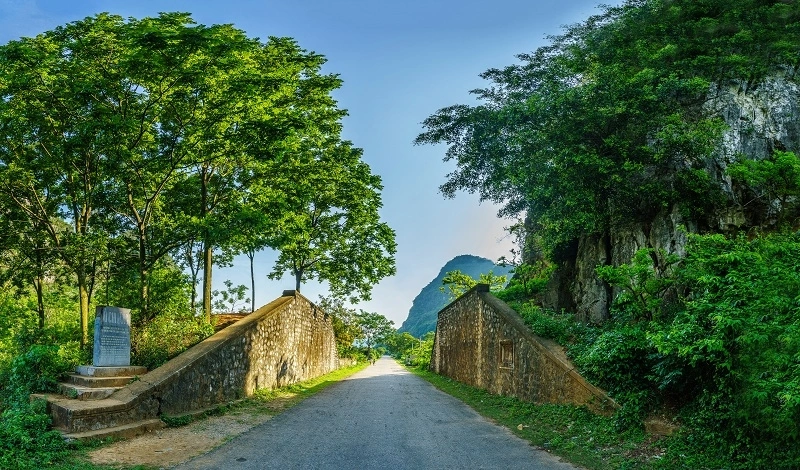
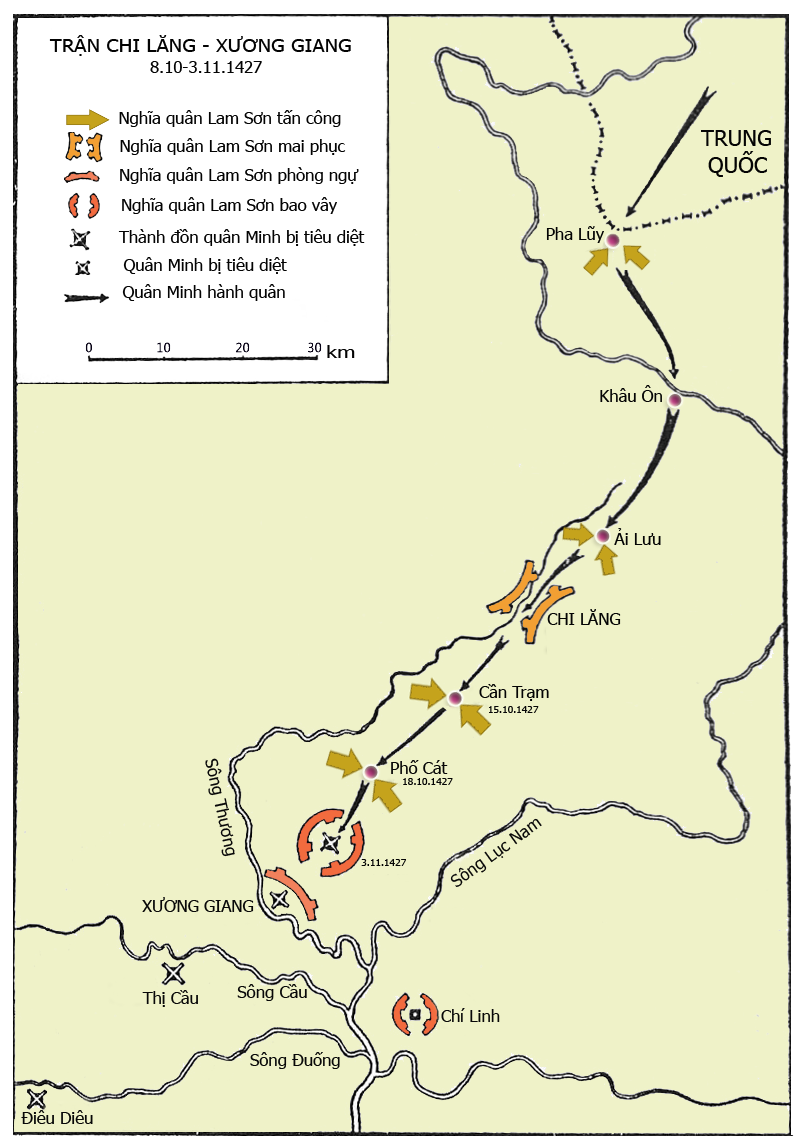
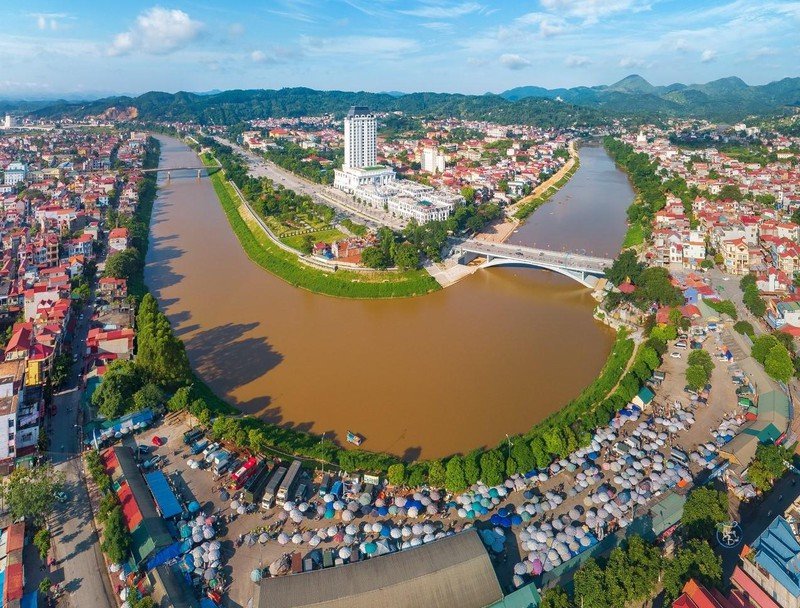
Most of Vietnam's rivers run south and east to the sea. The Kỳ Cùng goes the other way: north through Lạng Sơn city and on across the border into China. For centuries its valley has carried traders, pilgrims and armies, and the story of the province is best told by following it.
The people
Kind people everywhere
Kindness in Lạng Sơn is not put on for visitors; it is simply how people live. Stop at a stilt house and you are likely to be offered tea, a cup of home-made corn wine and a seat by the fire. Ask for directions and someone will walk you there, and a lost traveller rarely stays lost for long.
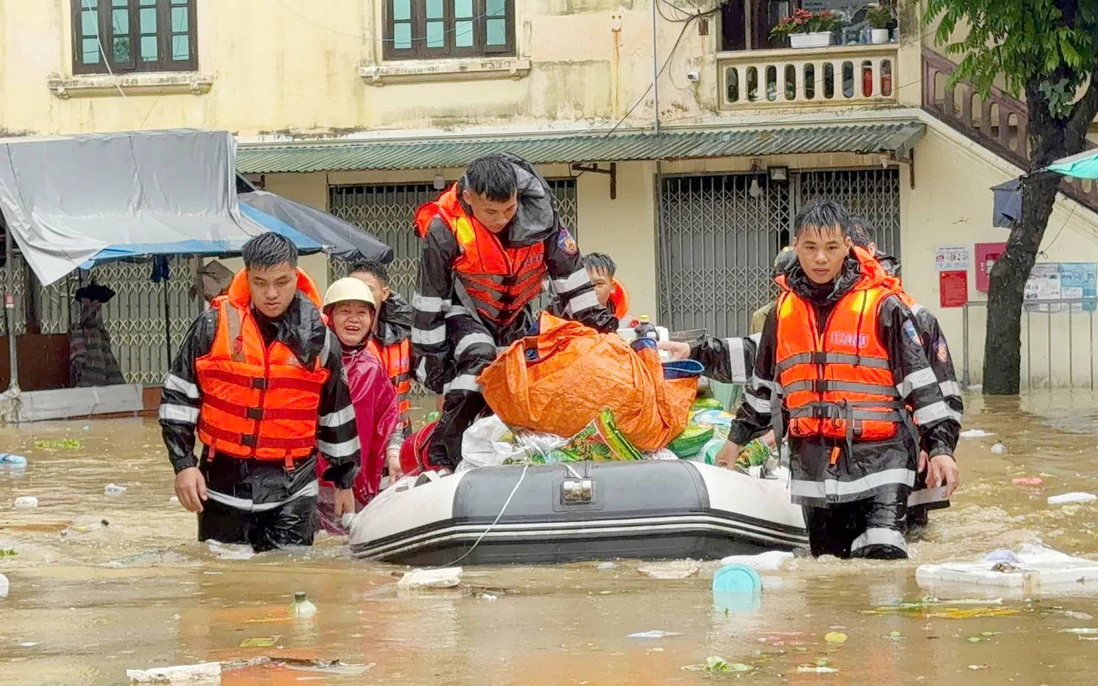
It shows most in hard times. When floodwaters rose through the city, rescue teams, soldiers and neighbours waded in together, carrying the elderly, children and food to safety by boat, street by street.
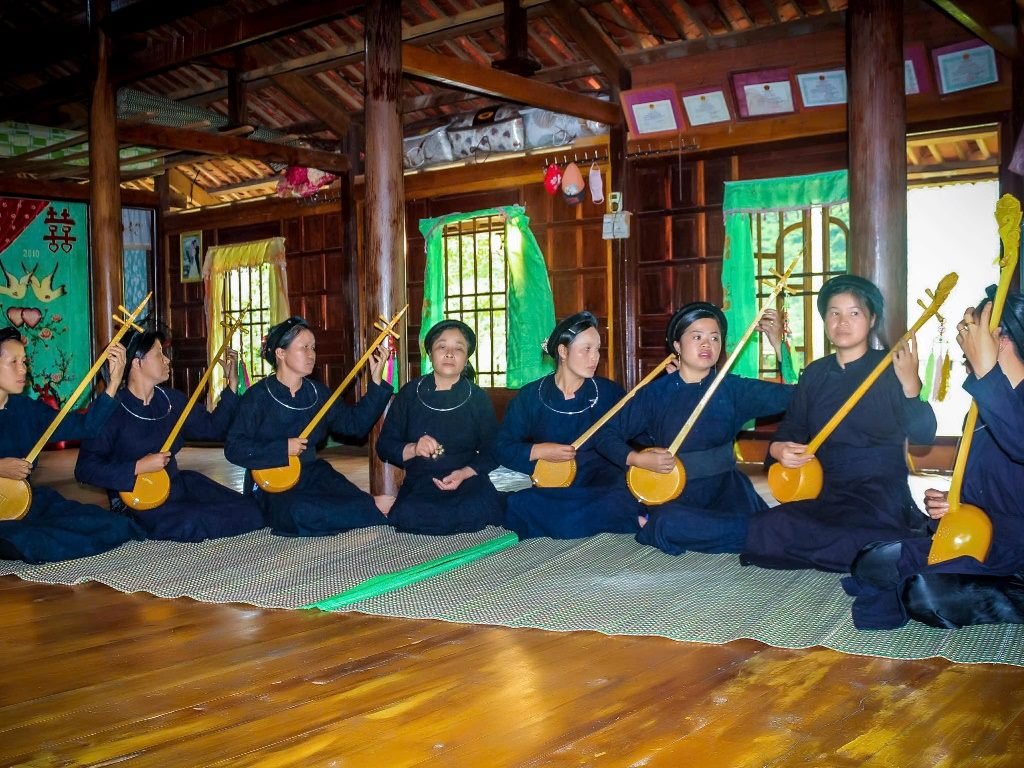
Music carries the same warmth. Then rituals, sung to the gourd-bodied đàn tính lute, were recognised by UNESCO in 2019, and the call-and-response songs of Nùng sli and Tày lượn still fill the hills at festival time.
Faith
Faith on the frontier
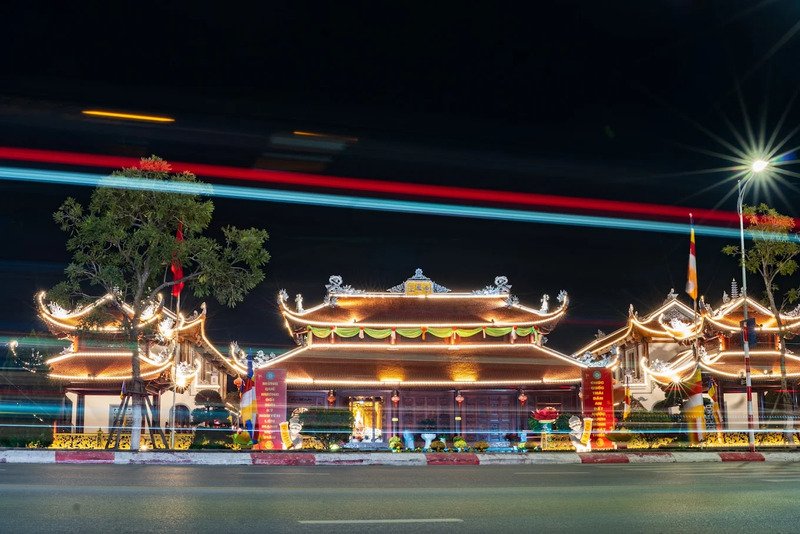
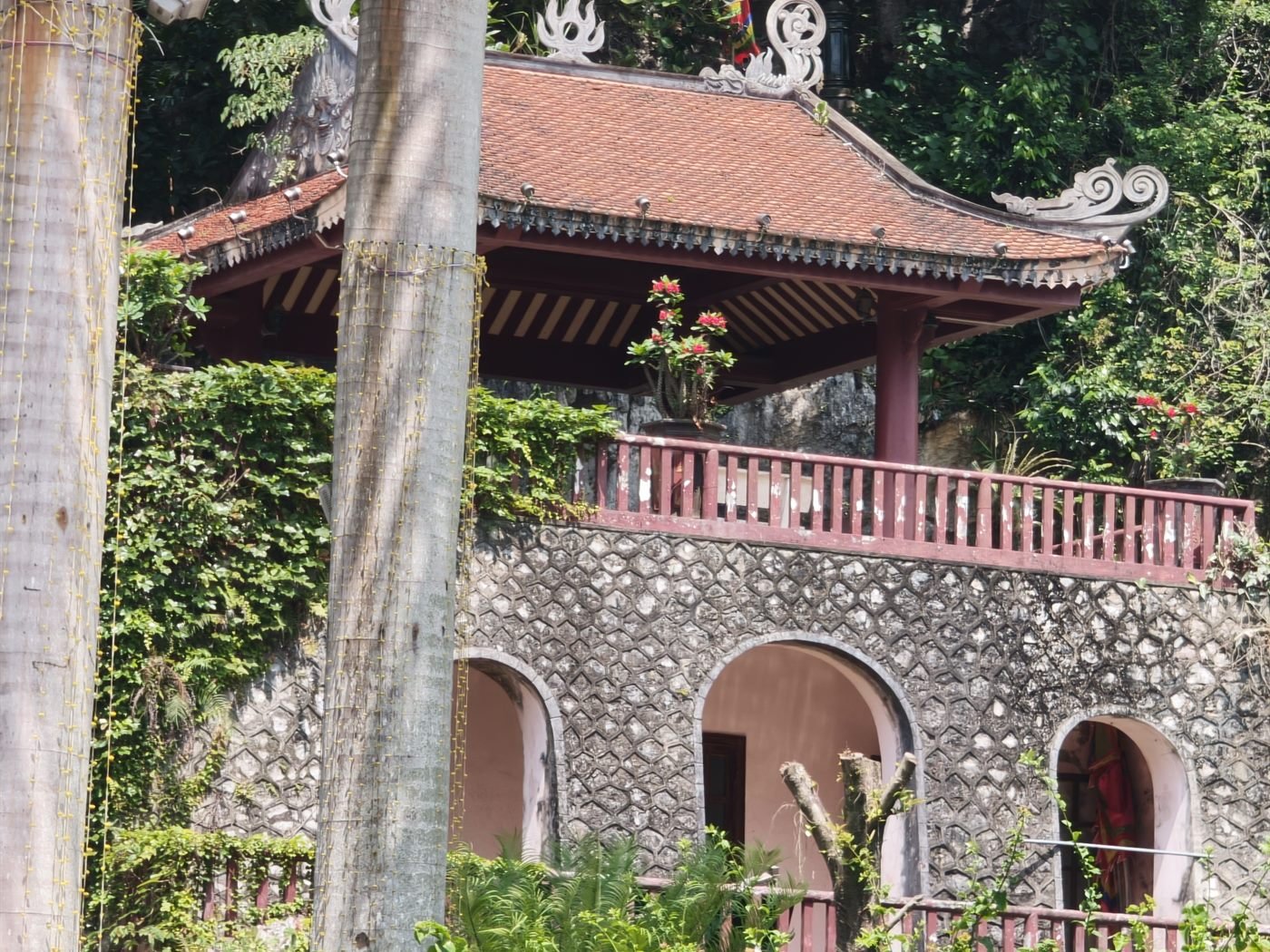
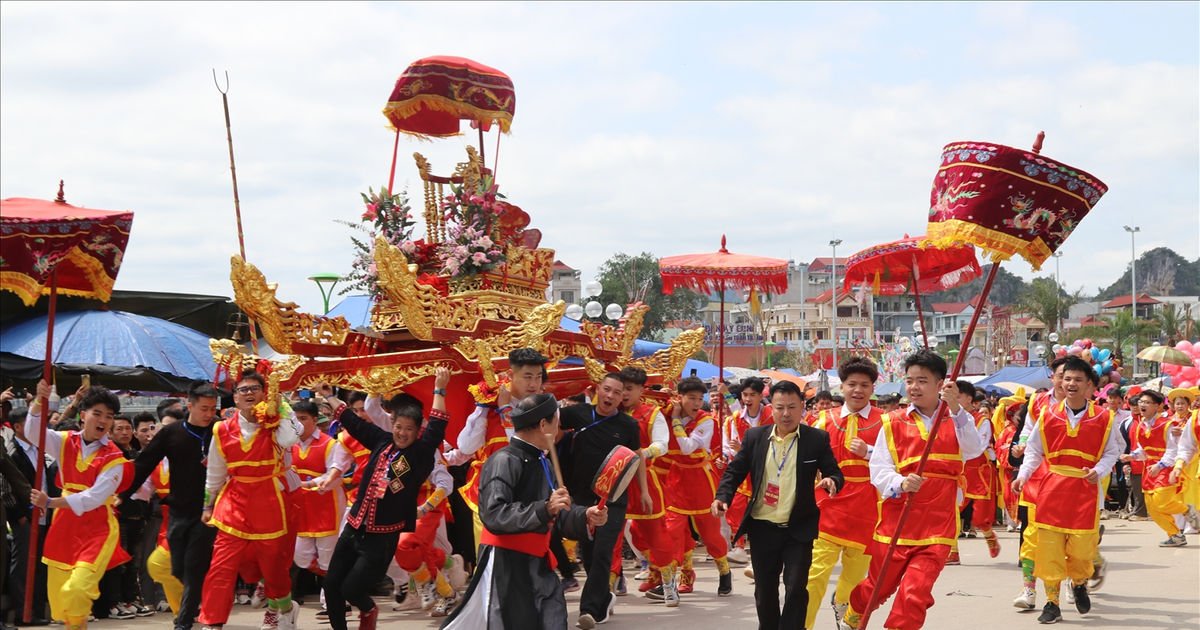
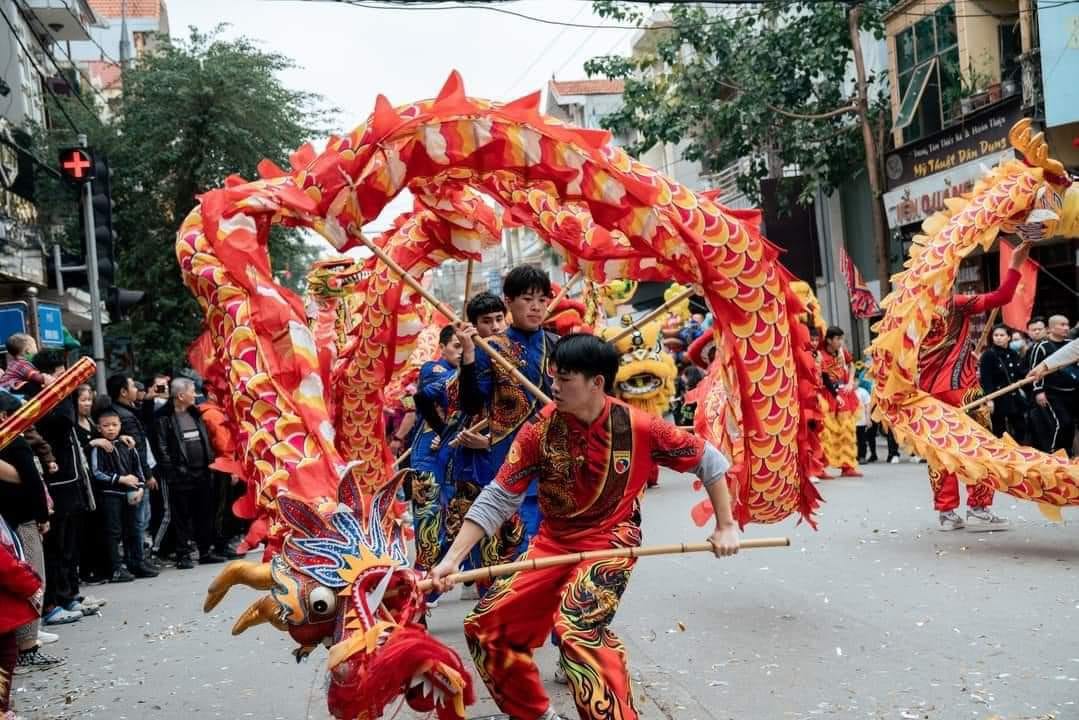
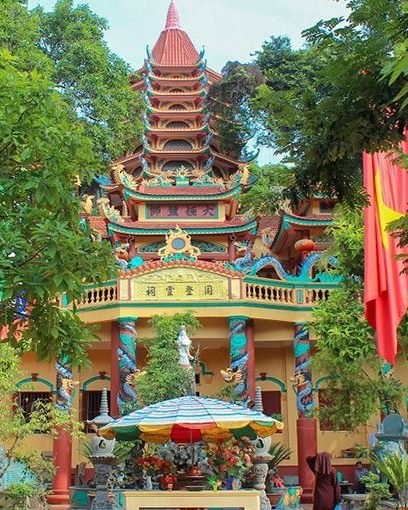
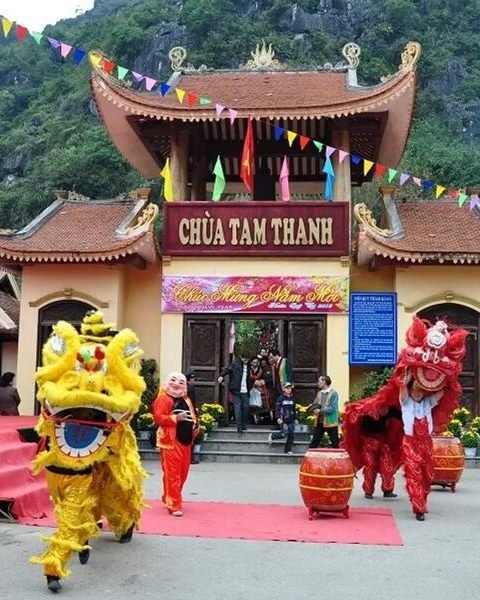
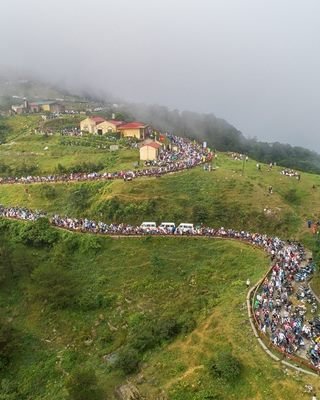
Spirituality here is woven into daily life. Buddhist pagodas are built into limestone caves in the heart of the city, Mother Goddess temples at Đồng Đăng and Bắc Lệ draw pilgrims from across the north, and ancestor altars glow in almost every home. In the weeks after Tết the province becomes a calendar of festivals, when whole communities gather to pray for luck, health and a good year of trade.